



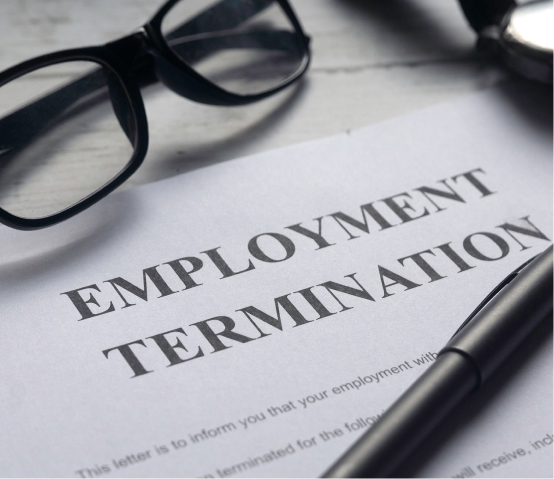
California is an at-will employment state, which means an employer can generally terminate an employee for almost any reason. However, employers cannot fire employees for illegal reasons. When a termination violates state or federal law, it may constitute wrongful termination.
Understanding the difference between a lawful termination and an unlawful one is often the first step for employees deciding whether to consult an employment attorney.
What Is Wrongful Termination?
Wrongful termination occurs when an employer fires an employee in violation of:
- Anti-discrimination laws
- Anti-retaliation protections
- Employment contracts
- Public policy protections
California provides some of the strongest employee protections in the United States, and many wrongful termination cases arise when employees are fired after asserting their legal rights.
Common Examples of Wrongful Termination
Some of the most common wrongful termination scenarios include:
Retaliation for Reporting Workplace Misconduct
Employees are legally protected when they report violations such as:
- Workplace harassment
- Wage theft
- Safety violations
- Discrimination
If an employee is fired after making a complaint or cooperating in an investigation, the termination may constitute unlawful retaliation.
Discrimination-Based Termination
Employers cannot terminate employees based on protected characteristics such as:
- Race
- Gender
- Age (40 and older)
- Disability
- Pregnancy
- Religion
- Sexual orientation
- National origin
These protections arise primarily under the California Fair Employment and Housing Act (FEHA).
Termination After Taking Protected Leave
Employees may also have claims if they are terminated after taking legally protected leave under laws such as:
- Family and Medical Leave Act (FMLA)
- California Family Rights Act (CFRA)
- Pregnancy Disability Leave
Signs a Termination May Be Illegal
Employees sometimes suspect wrongful termination when they notice:
- Sudden negative performance reviews after years of good performance
- Termination shortly after reporting harassment or discrimination
- Inconsistent explanations for the firing
- Employers documenting issues only after a complaint is made
These factors do not automatically prove a case, but they often prompt employees to seek legal advice.
What Damages May Be Available?
If a termination violates employment law, employees may recover damages including:
- Lost wages and benefits
- Emotional distress damages
- Attorney’s fees
- Possible punitive damages in certain cases
Every case is different, and outcomes depend on the specific facts and evidence.
When to Speak With an Employment Attorney
Employees who believe they were terminated for an unlawful reason should consider consulting an employment attorney promptly. Employment claims are subject to strict filing deadlines, and early legal guidance can help protect potential claims.